ServicesMold Remediation
Mold Remediation in Mechanicsville
Mold grows where water sat too long. We find the moisture that's feeding it, seal off the area, take out the growth and dry what's left so it doesn't come back. You get a free on-site inspection and a straight answer on what has to go.
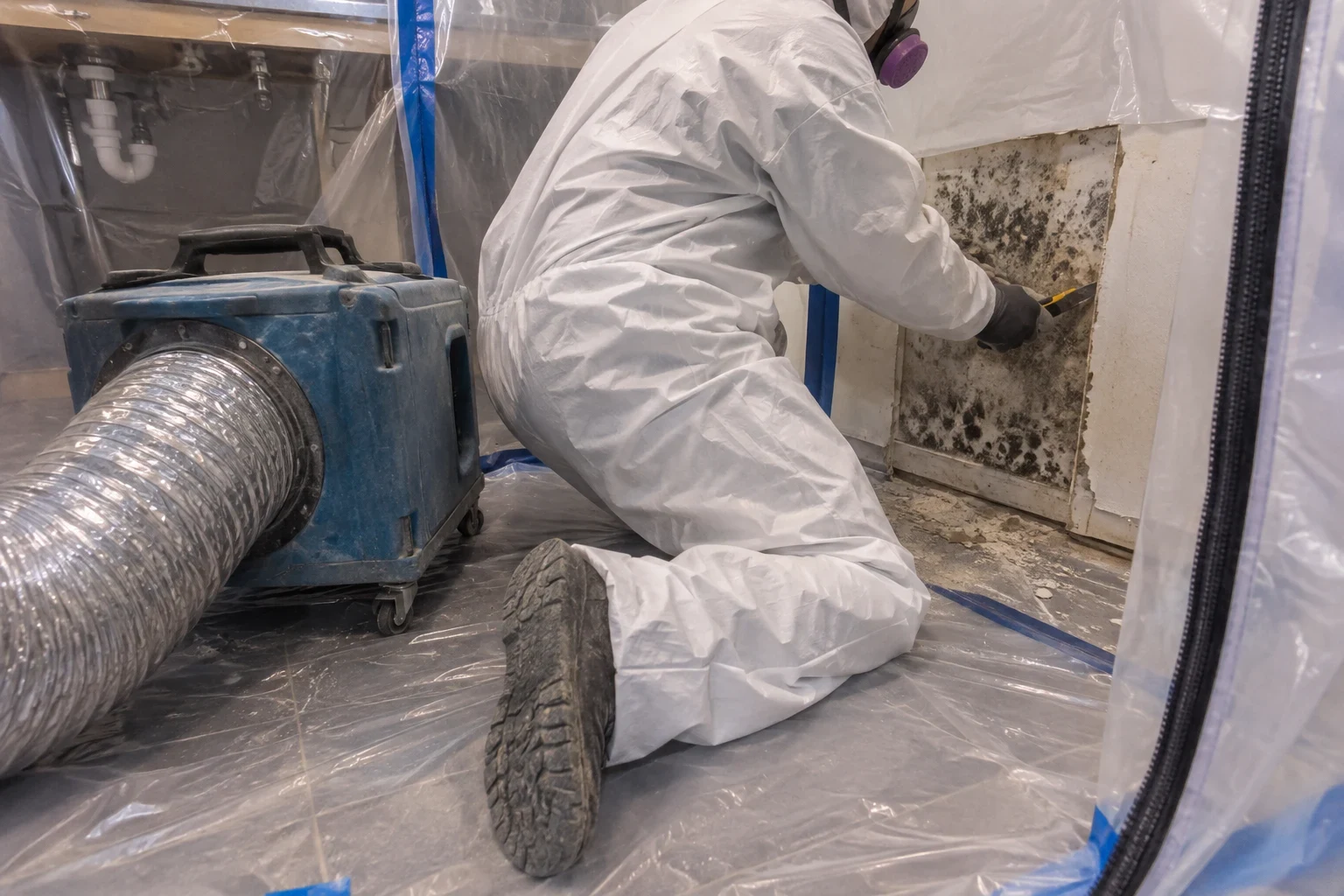
Removing mold and the water behind it
Mold is a moisture problem first. Spraying the spots you can see does little if the drywall behind them is still wet or the crawl space stays damp all summer. So we start with a moisture meter, not a spray bottle. We find where the water is coming from and how far it spread before we cut anything.
Mold remediation is the right call when growth covers more than a small patch, when it keeps coming back after cleaning, or when it follows a leak, a flood or a sewage backup. It also matters for comfort and running costs. Wet insulation stops insulating, and damp air makes your air conditioner run longer to make the house feel cool. Fixing the moisture often fixes the sticky, stale feeling too.
What the work includes
Moisture mapping
We check walls, floors, ceilings and framing with meters to find the wet areas, including the ones you can't see. You get a clear picture of what's affected and what isn't.
Containment
We seal the work area with plastic sheeting and set it under negative air pressure. That keeps spores from drifting into the rest of your home while we work.
Removal of damaged materials
Drywall, insulation, carpet pad and trim that mold has grown into get cut out and bagged. Solid wood framing and subfloor are usually cleaned and saved, not torn out.
HEPA cleaning
We vacuum surfaces with HEPA equipment, wipe them down and run air scrubbers during the job. This pulls loose spores out of the air and off surfaces.
Drying and a final check
Our drying and dehumidifying equipment brings the area back to normal moisture levels. We check readings again before we call it done, so you're not rebuilding over damp wood.
Signs you need mold remediation
A musty smell that won't clear
An earthy, stale odor in a closet, basement or crawl space usually means growth somewhere out of sight. Air fresheners just cover it.
Spots on drywall or ceilings
Gray, green or black specks, or a brown stain that keeps spreading, point to moisture inside the wall or above the ceiling.
An old leak that was never dried out
If a pipe, roof or appliance leaked and the area was only wiped up, the cavity behind it may still be wet. Mold can start within a couple of days.
Sticky air and a hard-working AC
Humid Central Virginia summers push moisture into crawl spaces and ductwork. If rooms feel clammy and your cooling bill keeps climbing, damp insulation or a wet crawl space could be part of the reason.
Peeling paint or warped baseboards
Bubbling paint, soft drywall and swollen trim near floors or windows mean water is sitting where it shouldn't.
How a mold job runs
- 1
Inspection and plan
We come out, look the space over and take moisture readings. You get a written plan that shows what we'll remove, what we'll clean and what it will take.
- 2
Stop the water
If a leak or flooding is still feeding the mold, we deal with that first. There's no point removing growth that will come right back.
- 3
Contain and remove
We set up containment and air scrubbers, then cut out and bag the damaged materials. The rest of your home stays closed off from the work area.
- 4
Clean, dry and verify
We HEPA vacuum and wipe down what stays, then dry the area with dehumidifiers and air movers. We take readings until the numbers are back in a normal range.
- 5
Put it back together
Once it's dry, our repairs and rebuild crew can replace drywall, insulation and trim. New insulation that stays dry does its job again, which helps your home hold its temperature.
What moves the cost
Every mold job is priced after we've seen it and measured the moisture. We write out what's included so you know what you're paying for before work starts. The biggest swings come from how far the water traveled and what it soaked into.
- Size of the affected area
- A patch inside one bathroom wall is a different job from a whole basement or crawl space. More square footage means more containment, removal and drying time.
- What the mold is growing on
- Drywall and insulation get cut out and replaced. Framing and subfloor can usually be cleaned, which costs less than replacing them.
- Access
- Tight crawl spaces, attics and finished basements take more labor to set up and work in safely.
- The moisture source
- A slow plumbing leak is a simple fix. Ongoing crawl space humidity or groundwater may need more drying equipment for longer.
- Rebuild work
- Replacing drywall, insulation, paint and flooring after removal adds to the total. We price it separately so you can see each part.
Mold remediation questions
Something not covered here? (804) 570-1965
Can I just clean it with bleach?
For a small spot on tile or a shower wall, often yes. On drywall and wood, bleach mostly lightens the surface while roots stay in the material. And if the wall is still wet, it grows back. A bigger patch, or one that keeps returning, needs the moisture found and fixed.
Will my homeowners insurance cover mold?
It depends on the cause. Mold from a sudden event like a burst pipe is more often covered than mold from a long, slow leak. We work with most major insurance companies, and we'll document what we find with photos and readings so you have what you need for your claim. Your adjuster makes the coverage call.
Do we have to move out during the work?
Usually not. We contain the work area so you can keep living in the rest of your home. If the growth is widespread or someone in the house has breathing problems, we'll talk through whether staying elsewhere for a few days makes sense.
How do I know it won't come back?
Mold returns when moisture returns. That's why we find the source, dry everything to normal levels and check the readings before we close up. Keeping indoor humidity down and fixing leaks quickly does the rest.
How fast can you get to my house?
We aim to have a crew at your door within an hour of your call. That covers Mechanicsville and nearby areas like Glen Allen, Laurel and Sandston. If mold showed up after fresh water damage, getting the drying started fast keeps the job smaller.
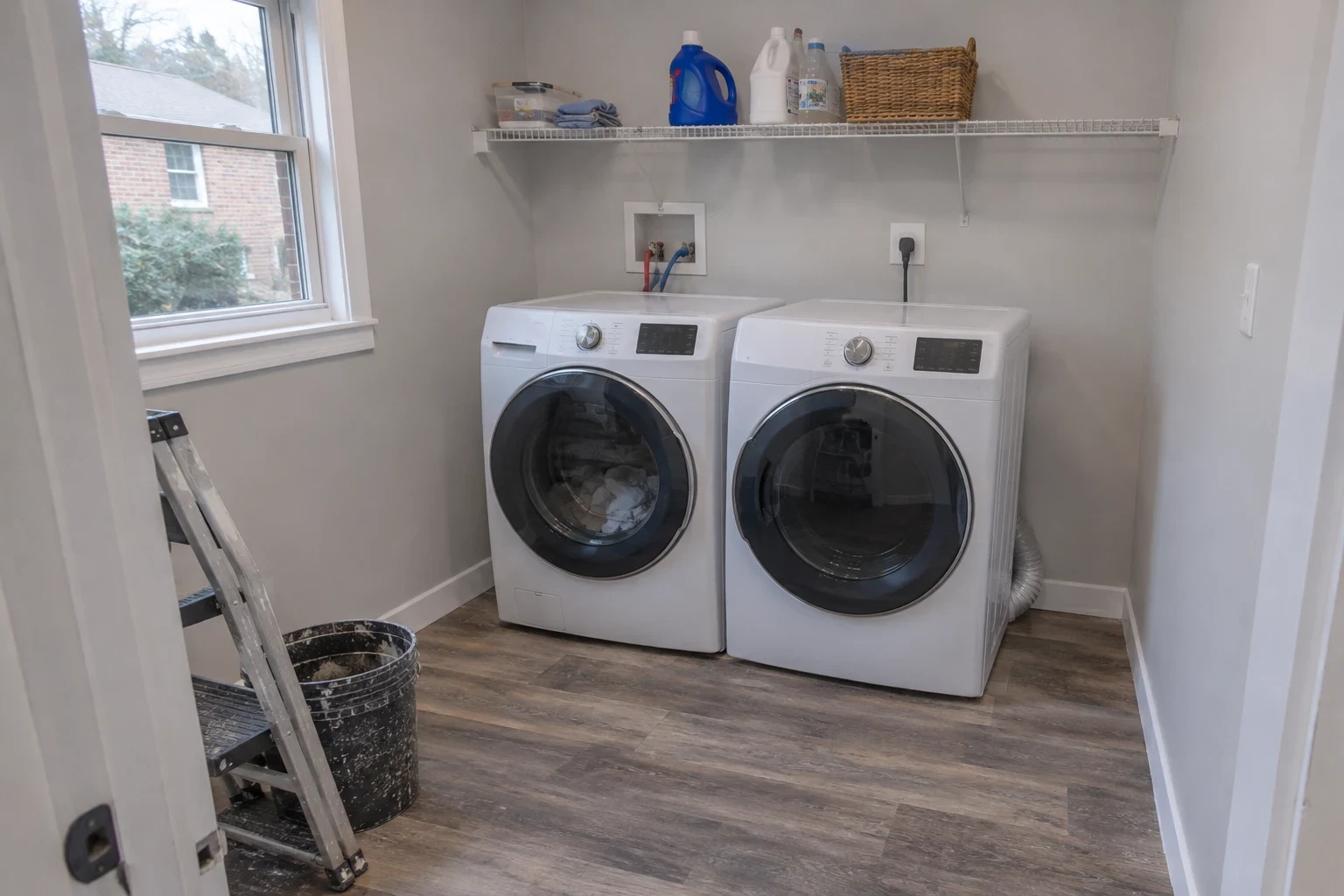
Found mold or a musty smell at home
Tell us what you're seeing and we'll come take a look. The inspection is free, and you'll know what's wet, what needs to come out and what can stay.