Mechanicsville, VA
Water Damage Restoration in Mechanicsville, VA
A burst pipe, a leaking water heater or a storm that floods the crawl space. We pull out the water, dry your home with the right equipment, clean up mold and sewage, and rebuild what had to come out. We work in Mechanicsville and nearby towns like Glen Allen and Sandston.
- Answered 24/7
- Free on-site inspection
- Written line-item estimates
- Help with insurance claims
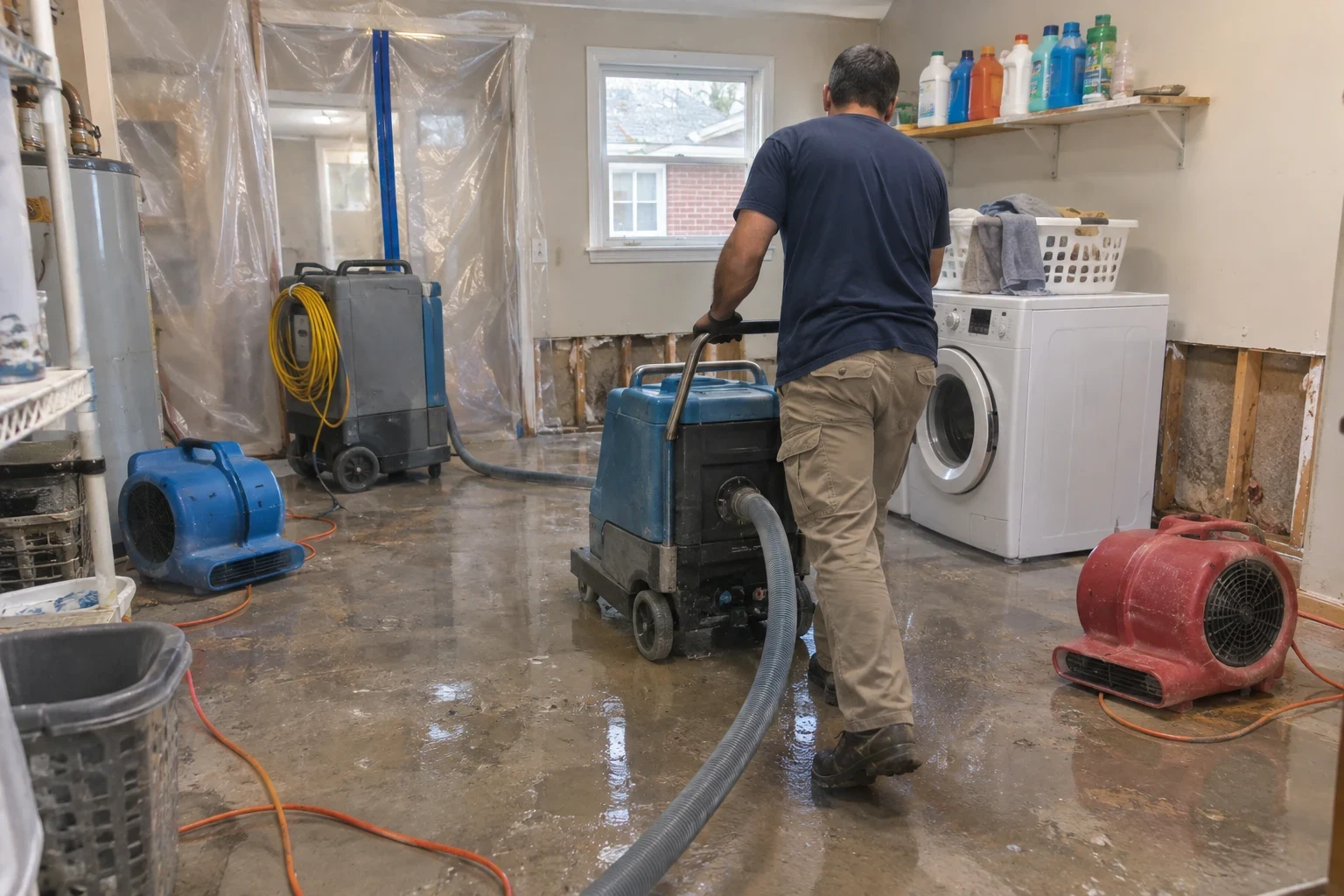
How We Work When Water Gets In
Water damage is stressful and you want straight answers. Here is what you can expect from us on every job.
We answer at any hour
Pipes do not wait for business hours. We pick up day and night, and we aim to have a crew at your door within an hour of your call. The sooner water is out, the less you lose to tear-out later.
We measure, not guess
We use moisture meters on walls, floors and framing, and we check readings each day. Equipment only leaves when the numbers say the materials are dry. You see the readings too.
Dry means comfortable again
Wet insulation does not keep heat in or out, and damp air makes your heating and cooling run longer. We dry the structure and insulation properly or replace what cannot be saved, so your rooms hold temperature like they did before.
Honest about what stays
If drywall or carpet pad can be dried in place, we dry it. If it is soaked with sewage or already growing mold, we tell you it has to go and show you why with photos.
Paperwork your adjuster can use
Photos and moisture readings go into a record of the damage, and we explain how claims usually move along. We work with most major insurance companies. The coverage decision still belongs to your adjuster.
Water Damage Services for Your Home
Most jobs start with water extraction and then drying and dehumidifying, because those two steps decide whether the damage stops or spreads. If water sat for a while, we handle mold remediation. Flood cleanup and sewage cleanup cover the dirty-water jobs, and repairs and rebuild puts back the drywall, flooring and trim we had to remove.
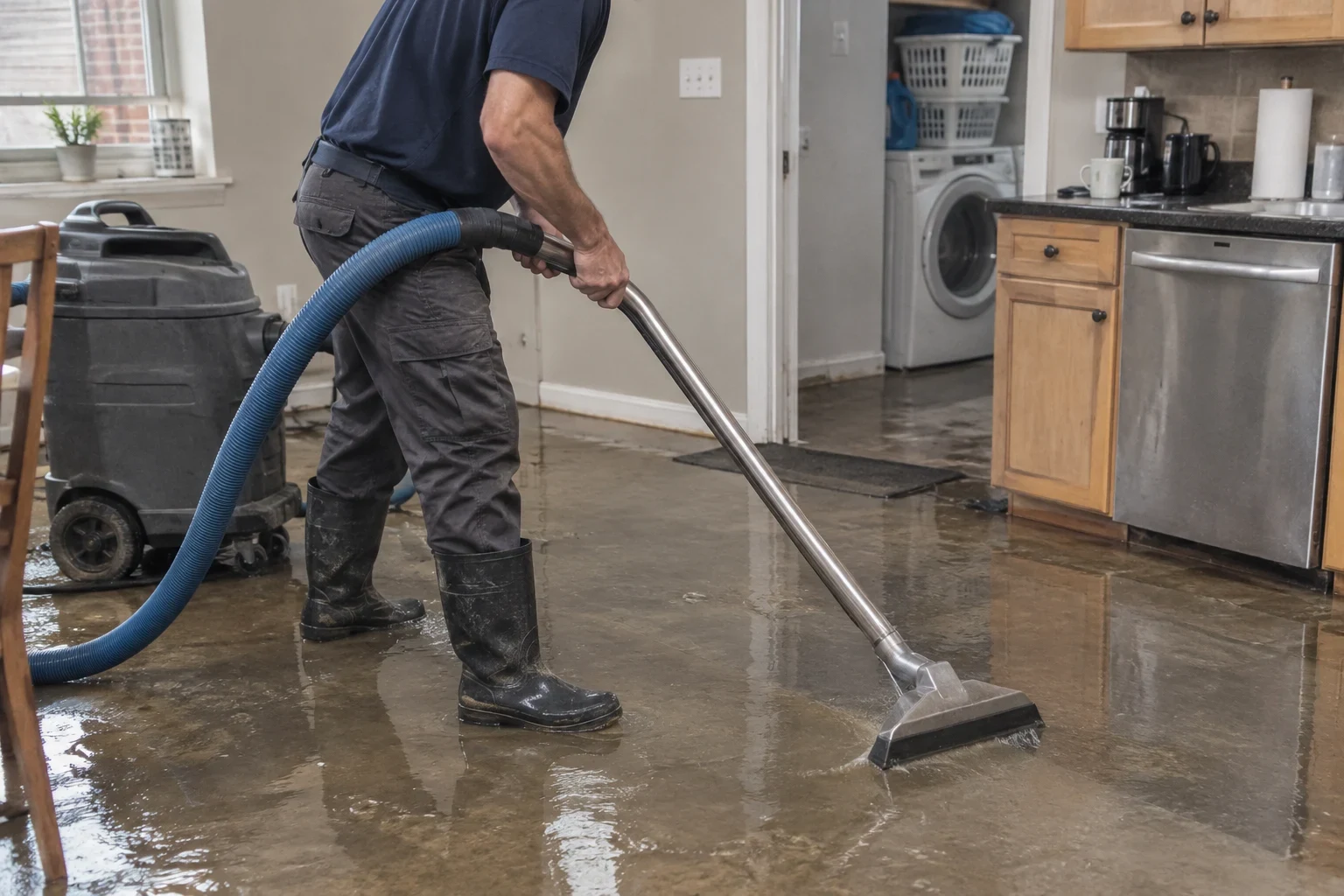
Water Extraction
We remove standing and soaked-in water from floors, carpet and crawl spaces so drying can start and the damage stops spreading.
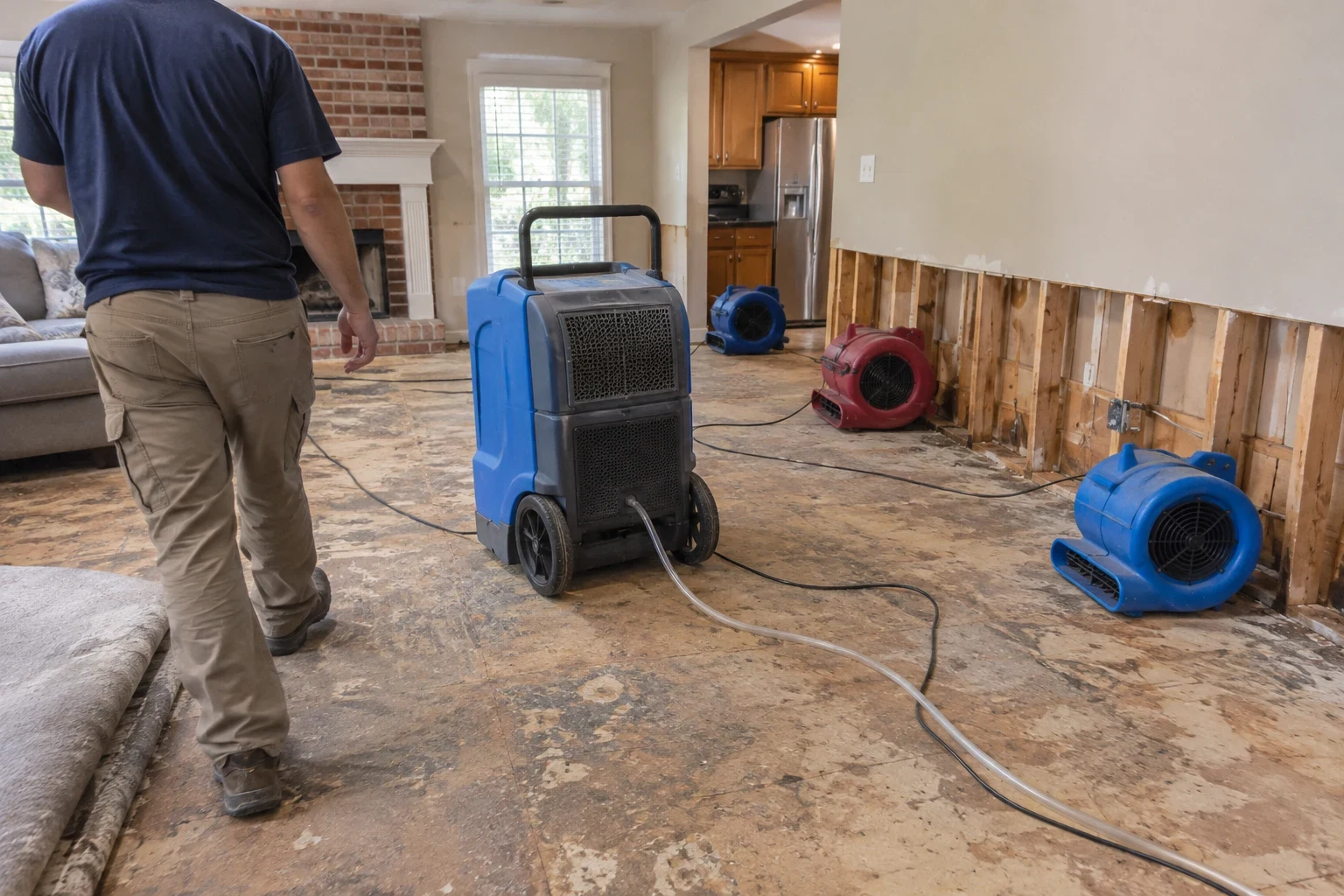
Drying and Dehumidifying
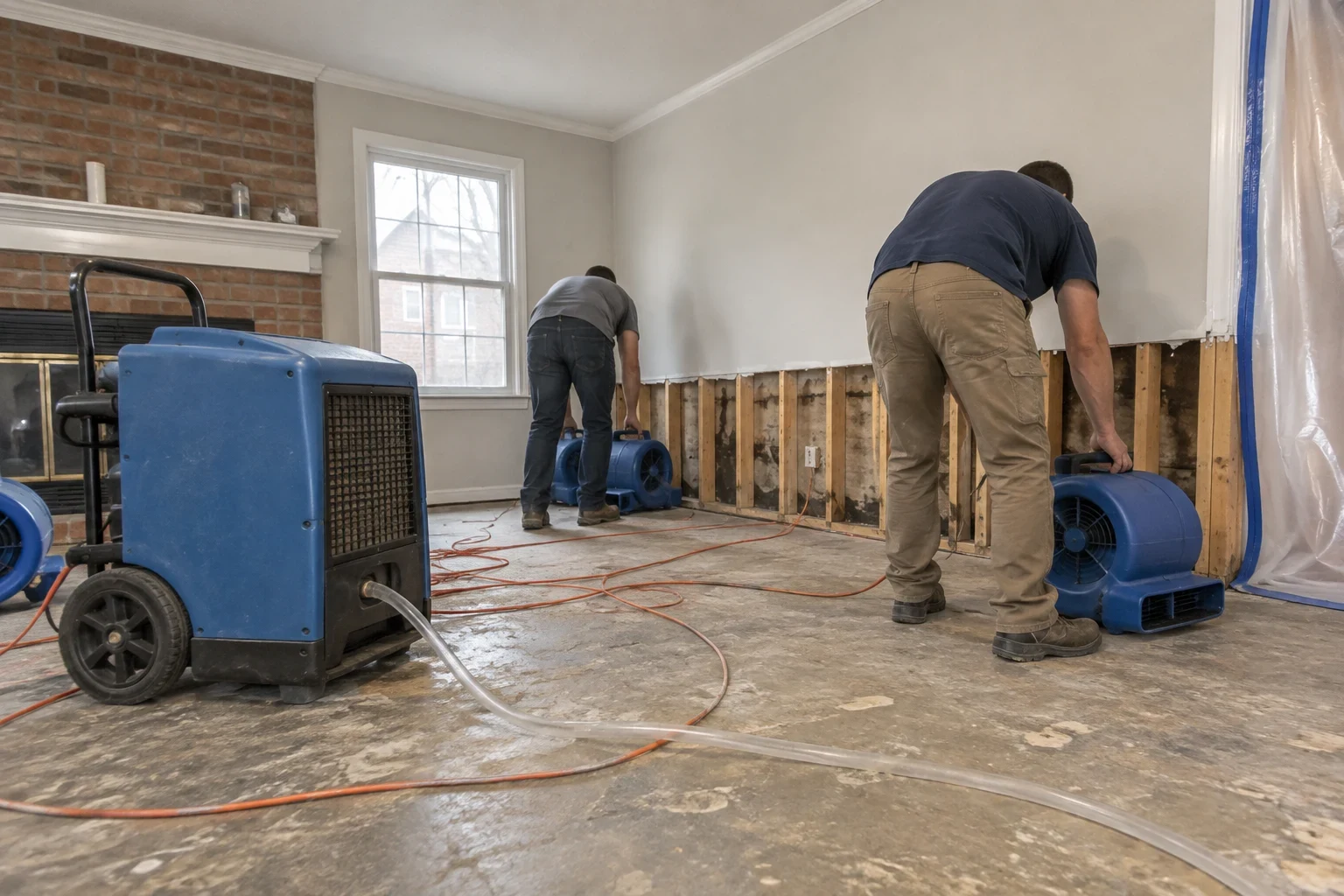
We set air movers and dehumidifiers, track moisture every visit, and pull equipment only when walls, floors and framing read dry.
Mold Remediation
We track down the moisture feeding the mold, seal off the area, remove what's damaged and dry the space so the growth doesn't return.
Flood Cleanup
We remove floodwater and mud, tear out what can't be saved, sanitize what's left and dry the structure so hidden moisture doesn't linger.
Repairs and Rebuild
We put back the drywall, insulation, floors and trim that water damage took out, once moisture readings show the structure is dry.
Sewage Cleanup
We clean up after toilet, drain and sewer line backups, removing contaminated material, disinfecting what can be saved and drying the space fully.
How a Water Damage Job Runs
Every job follows the same order. Stop the water, get it out, dry it out, then put things back.
- 1
You reach us by phone
Tell us what happened and where the water is. If it is safe, we will walk you through shutting off the water or the power to the wet area while we head over.
- 2
Inspection and plan
We find where the water went with meters and, when needed, a thermal camera. You get photos, a plan and a written estimate before the main work starts.
- 3
Extraction and removal
We pump and vacuum out standing water and pull out anything that cannot be saved, like soaked carpet pad. We protect floors and furniture in the rooms we walk through.
- 4
Drying and daily checks
Air movers and dehumidifiers run until the readings hit dry. Most homes take a few days. We stop by to check numbers and adjust the setup.
- 5
Repairs and cleanup
Once everything is dry, we replace drywall, insulation, flooring and trim, and leave the rooms clean.
What Changes the Cost of a Water Damage Job
Every water job is priced on its own. The cost comes down to how much water got in, what kind it was and what it soaked into. We look first, then put it in writing.
The on-site inspection is free. Once we have looked, you get a written estimate broken out line by line, and we talk it over with you before anything changes.
- How much area got wet
- A single bathroom floor is a short job. Water that traveled under walls into three rooms takes more extraction, more fans and more days of drying.
- Clean water or dirty water
- A leaking supply line is clean water. Outside flood water or a sewage backup calls for protective gear, disinfecting and pulling out porous materials, and that adds work.
- How many days before we got there
- If we start within a day or two, it is mostly drying. Wait longer and mold can take hold, especially in humid Virginia summers, and remediation gets added to the bill.
- What it soaked into
- Tile and sealed concrete dry well. Carpet pad, laminate, drywall and insulation hold on to water and often have to be removed.
- Hard-to-reach spaces
- Crawl spaces, wall cavities and the area under cabinets take longer to open up and dry than an open floor.
- How much rebuild is needed
- Patching a few feet of drywall is a very different job from new flooring across a whole level.
Where We Work
We are based in Mechanicsville and work in homes across the area. That includes East Highland Park, Highland Springs, Chamberlayne, Richmond, Laurel and Glen Allen, along with Lakeside, Montrose, Dumbarton and Sandston.
- Mechanicsville
- East Highland Park
- Highland Springs
- Chamberlayne
- Richmond
- Laurel
- Glen Allen
- Lakeside
- Montrose
- Dumbarton
- Sandston
If your town is not listed, ask when you reach us by phone. If we can get to you, we will tell you plainly.
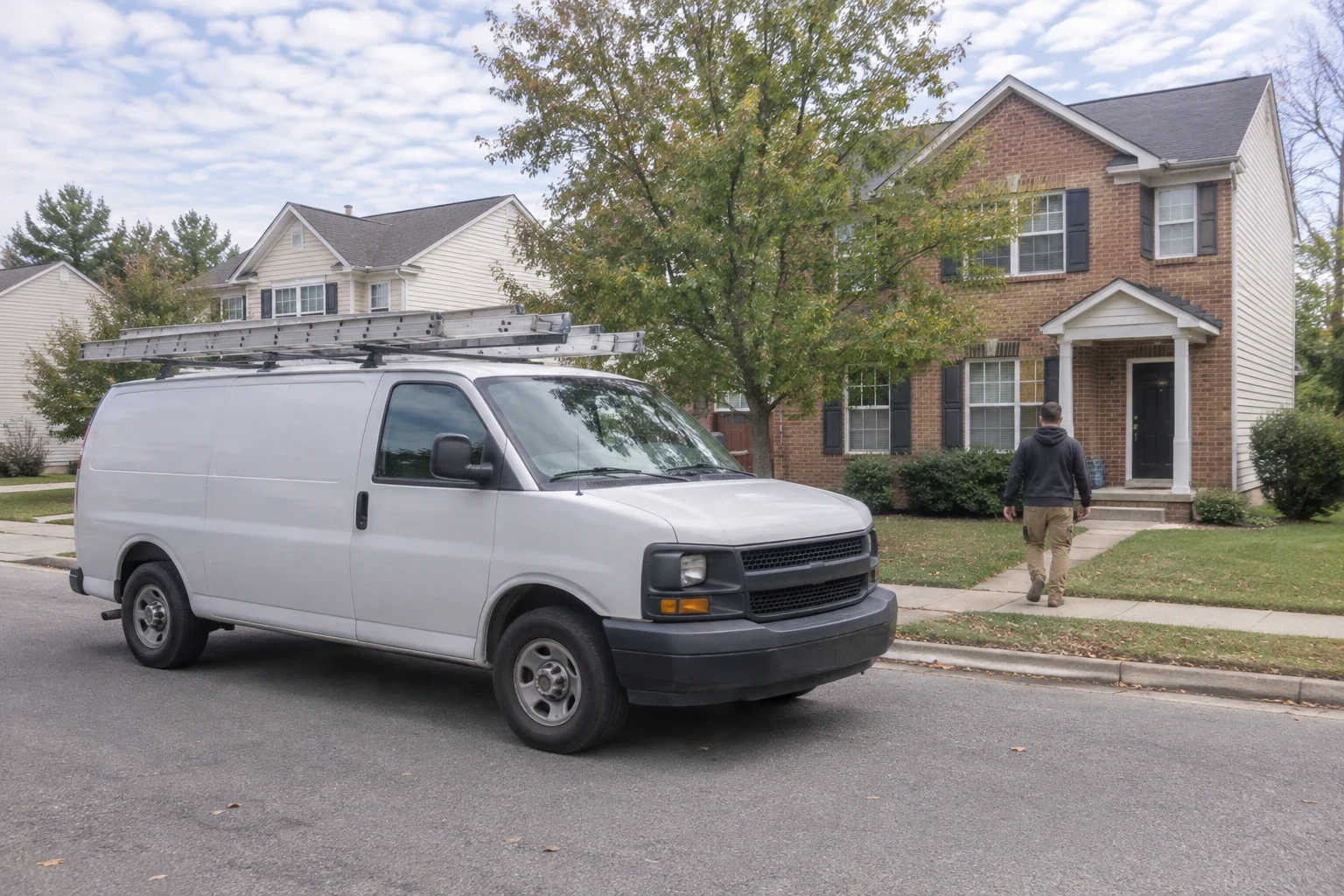
About Our Company
Our work happens inside homes in and around Mechanicsville, and it is all about water. We remove it, dry out what it touched and rebuild the parts that could not be saved.
We keep it plain. Before any work starts, you hear what we found, what we plan to do and what it will cost. Anything that can be dried and kept, we keep. Anything that has to go, we show you the reason.
We also think about how your home feels once our equipment is gone. A room that only got half dried stays musty, and damp insulation keeps your heating and cooling bills higher than they should be. So we finish the drying, and your rooms end up comfortable with air that is not damp.
Questions People Ask About Water Damage
How fast can you get to my house?
We aim to have a crew at your door within an hour of your call. We answer day and night, weekends included. Until we get there, shut off the water at the main if you can do it safely.
Will you deal with my insurer, or do I have to?
You stay in charge of your claim, but we do a lot of the legwork. We take photos, log moisture readings and write up the work so the adjuster has what they need. We work with most major insurance companies. Coverage is decided by your policy and your adjuster, not by us.
Is the inspection really free?
Yes. We come out, track where the water went and hand you a written estimate at no charge. What happens after that is your call.
How long does drying take?
Most homes dry in about three to five days. Hardwood floors or a wet crawl space can take longer. We check readings every day and only pull equipment when things are truly dry.
Can I just run fans and dry it myself?
For a small spill on tile, sure. Water that got under flooring or into walls is another story. Fans dry the surface, but the drywall, insulation and framing behind it stay wet, and that is where mold and the musty smell start.
Will I have to leave my home?
Usually not for clean water jobs. The equipment is loud and puts out heat, so a few rooms may be off limits for some days. With a sewage backup, we may ask you to keep out of that area until it is cleaned and disinfected.
Will this affect my energy bills?
It can. Wet insulation does a poor job, and humid indoor air makes your system run harder. Drying the structure all the way, and swapping out insulation that cannot be saved, gets your home holding heat and cool the way it should.
Water Where It Should Not Be?
Every hour water sits, it soaks deeper into floors and walls. Pick up the phone and we will come out and look at it for free.